uPVC
uPVC Exterior Doors
Practical, Secure and Energy-Efficient Doors for Your Home
A well-fitted external door should keep your home secure, help prevent draughts and stand up to everyday use without requiring extensive maintenance.
uPVC doors are a popular and cost-effective choice for front entrances, back doors, side doors, porches and utility-room entrances. They are available in a wide range of styles, colours and glazing options, making them suitable for both traditional and modern homes.
Whether you are replacing an older draughty door or improving access to your garden, a professionally fitted uPVC door can provide a reliable, low-maintenance upgrade.
Contact our team to arrange a free, no-obligation quotation.
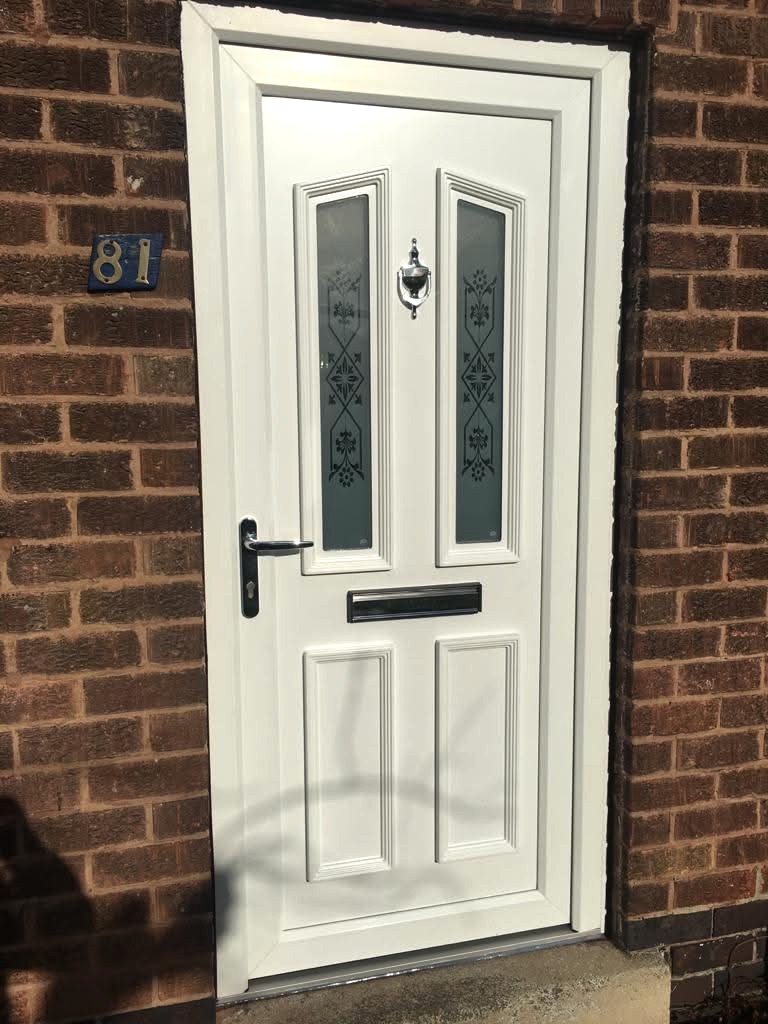
What Is a uPVC Door?
uPVC stands for unplasticised polyvinyl chloride. It is a durable form of PVC widely used for external doors, window frames and other building products.
A typical uPVC doorset includes a reinforced uPVC outer frame, an internal structure or panel, weather seals, glazing where required and suitable locks and hardware. The precise design depends on the chosen style and manufacturer.
Unlike timber doors, uPVC doors do not usually need regular sanding, painting or varnishing. Unlike composite doors, which combine several materials within a layered door slab, uPVC doors are typically built around a uPVC profile system with a glazed or insulated infill panel.
Why Choose a uPVC Door?
Good Value for Money
uPVC doors are an attractive option for homeowners seeking a practical external door at a competitive price.
They typically cost less than premium composite or traditional timber alternatives while still offering good everyday security, thermal efficiency and weather resistance when properly specified and fitted.
A uPVC door can be particularly suitable for:
back doors
side entrances
utility rooms
porches
rental properties
homes requiring a practical and affordable replacement door
Low Maintenance
One of the main benefits of a uPVC door is that it is easy to look after.
Routine maintenance is generally straightforward. The frame and panel can normally be cleaned using suitable mild products, while hinges, locks and moving components should be checked and maintained in line with the manufacturer’s guidance.
Unlike traditional painted timber doors, uPVC doors do not usually require regular repainting or varnishing to protect them from the weather.
Energy Efficiency and Draught Reduction
A well-fitted uPVC doorset can help reduce draughts and limit heat loss around an entrance.
Weather Resistant
uPVC is well suited to external use because it is designed to cope with everyday exposure to rain, wind and changing temperatures.
A quality uPVC door should help keep your home comfortable and protected from the weather without the ongoing treatment normally associated with timber. Suitable seals and professional fitting are important because weather resistance depends on the complete doorset rather than the frame material alone.
Secure and Reliable
Modern uPVC doors can offer strong everyday security when supplied with suitable locks, frames and hardware.
A Wide Choice of Styles
uPVC doors are available in a broad range of configurations, making them suitable for many different parts of the home.
Customers can typically choose from:
solid or partially glazed entrance doors
back doors and side doors
traditional panel styles
modern glazed styles
obscure or decorative glazing
white, coloured or wood-effect finishes
different handle and hardware options
low-threshold options where available
Availability will depend on your chosen supplier.
More Natural Light
A glazed uPVC door can bring additional daylight into a hallway, kitchen, utility room or rear living space.
Customers can choose the level of privacy and natural light that suits the location, with options such as clear glass, obscure glass or decorative glazing. Where security, privacy or safety are important, the chosen glazing specification should be discussed as part of the quotation.
Where Are uPVC Doors Most Suitable?
Back Doors and Side Entrances
uPVC doors are particularly popular for back and side entrances because they are secure, practical, easy to maintain and available with different levels of glazing.
Front Doors
A uPVC front door can be a sensible choice for homeowners who want an affordable, low-maintenance entrance door. Customers seeking a more substantial appearance, premium finish or wider range of design options may prefer to compare it with a composite door.
Porches and Utility Rooms
Their durability and ease of cleaning also make uPVC doors suitable for frequently used entrances, porches and utility spaces.
Are uPVC Doors Environmentally Friendly?
uPVC doors can offer environmental benefits, particularly when they are used to replace an older draughty door and are kept in service for many years. However, environmental claims should be made carefully and supported by the chosen manufacturer.
Helping to Reduce Heat Loss
A properly fitted door can help reduce unnecessary heat loss and draughts. This may improve comfort and reduce avoidable heating demand, particularly when replacing an older or poorly fitted entrance.
Durable and Low Maintenance
uPVC building products are designed for long service lives and generally require limited maintenance. VinylPlus, a European PVC-industry sustainability initiative, highlights durability, low maintenance and recyclability as relevant benefits of PVC building products.
Recycling Potential
PVC can be recycled, and the industry has established collection and recycling schemes for PVC waste. VinylPlus reports ongoing work to increase the recycling of PVC into new products and states that 737,645 tonnes of PVC were recycled and used in new products during 2023. Its more recent reporting also describes design-for-recycling guidance for PVC-based profiles, including windows and doors.
The actual recycled content and end-of-life recycling arrangements for a specific door will depend on the profile manufacturer, product design and local waste route.
Professionally Supplied and Fitted
The quality of installation is just as important as the product itself.
A carefully installed uPVC door should:
open and close smoothly
lock securely
minimise draughts
provide effective weather sealing
sit neatly within the property
remain easy to use day-to-day
Our team can help you choose a door that suits your home, entrance, budget and preferred style before arranging professional fitting.
Upgrade Your Home with a Practical New Entrance
Whether you need a secure back door, a low-maintenance side entrance or an affordable replacement front door, a professionally fitted uPVC door can provide a reliable and attractive solution.
Contact us today to arrange your free, no-obligation quotation.
Frequently Asked Questions
What does uPVC mean?
uPVC stands for unplasticised polyvinyl chloride. It is a durable material commonly used for external doors and window frames.
What is the difference between a uPVC door and a composite door?
A uPVC door is typically built around a uPVC profile system with an infill panel or glazing. A composite door combines several materials within a layered door construction. Composite doors are often chosen for premium front entrances, while uPVC doors are a practical and cost-effective option for many front, back and side doors.
Are uPVC doors secure?
Yes, when correctly specified and fitted. Security depends on the complete doorset, including the frame, locks, cylinder, glazing and hardware. Ask us about available enhanced-security options.
Are uPVC doors energy efficient?
A well-fitted uPVC door can help reduce draughts and limit heat loss. Exact performance varies by product, glazing and frame specification. Ask us for the confirmed U-value of your selected door.
Do uPVC doors need painting?
uPVC doors generally do not require routine painting or varnishing. Occasional cleaning and basic maintenance should help keep the door looking its best.
Are uPVC doors only available in white?
No. Depending on the chosen range, uPVC doors may be available in various colours and wood-effect finishes as well as traditional white.
Can a uPVC door be glazed?
Yes. uPVC doors are available with a range of glazing styles, from smaller decorative panels to larger glazed areas suitable for back and side entrances.
Can uPVC doors be recycled?
PVC can be recycled, but the recyclability of a complete doorset depends on its design, components and the available recycling route. Ask us about the environmental credentials of your selected product.
Looking for a more premium entrance? Explore our composite doors for additional styles, finishes and customisation options.
Glazing Enquiry
Tell us what is the nature of your enquiry, how can we help?