Bi-Fold Doors

Bi-Fold Doors Supplied and Fitted | Aluminium Patio Doors

Bi-Fold Doors

Open Up Your Home and Bring the Outside In

Bi-fold doors are an excellent way to create a brighter, more open and flexible living space.

Designed to fold neatly to one side, bi-fold doors can open up a much wider section of wall than a conventional door. This helps create a natural connection between your home and garden, making them particularly popular for kitchens, dining areas, extensions, conservatories and open-plan living spaces.

When closed, their large glazed panels allow natural light into your home and provide clear views of your outdoor space. When opened, the panels fold back neatly to create a wide and welcoming opening.

Contact our team to arrange a free, no-obligation quotation.
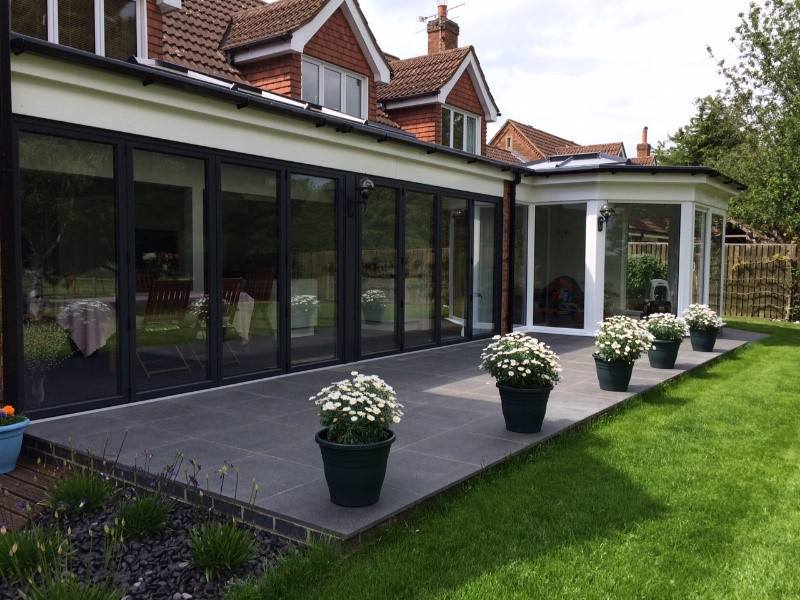
Bi-Fold Doors

What Are Bi-Fold Doors?

Bi-fold doors are made from a series of glazed door panels connected by hinges. The panels slide along a track and fold together in sections, allowing them to stack neatly to one side or split in different directions depending on the chosen configuration.

A bi-fold doorset typically includes:

  • Multiple glazed panels

  • An outer frame

  • Hinges and rollers

  • An upper or lower track system

  • Weather seals

  • Locking mechanisms

  • Handles and hardware

  • A suitable threshold and drainage arrangement

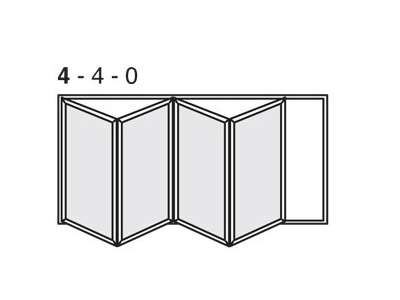
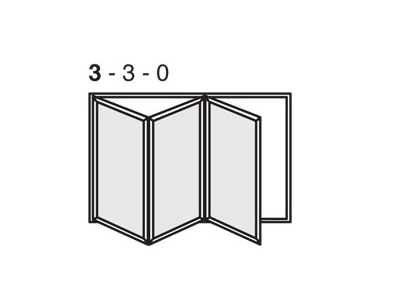
The exact configuration can be tailored to the size of the opening and how you want the doors to operate. Depending on the chosen system, you may be able to select how many panels open to each side and whether one panel acts as a convenient everyday access door. Manufacturers offer a range of panel configurations for different property layouts and opening sizes.


Why Choose Bi-Fold Doors?

Create a Wider Opening

One of the biggest benefits of bi-fold doors is the amount of space they can open up.

Traditional French doors or patio doors leave part of the opening permanently covered by fixed frames or panels. Bi-fold doors fold back more compactly, helping create a wider connection between your indoor and outdoor spaces.

This makes them ideal for:

  • Garden access

  • Patios and decking areas

  • Entertaining spaces

  • Kitchen extensions

  • Dining areas

  • Conservatories

  • Open-plan living rooms


Let More Natural Light Into Your Home

Large glazed panels can help brighten a room and make the space feel more open.

Even when the doors are closed, bi-fold doors provide broad views of the garden and allow more daylight into your home. This can be especially valuable in kitchens, rear extensions and family living areas where natural light and garden views make a noticeable difference.


Make the Most of Your Garden

Bi-fold doors can help your garden feel like a natural extension of your home.

During warmer weather, opening the doors creates a wide and inviting space for relaxing, entertaining and spending time with family. During colder months, you can still enjoy uninterrupted views of the garden while remaining warm and comfortable indoors.


Flexible Opening Options

Bi-fold doors can be designed to suit how you use your home.

Depending on the chosen product and layout, available options may include:

  • Panels folding entirely to one side

  • Panels splitting and folding in both directions

  • Inward or outward opening

  • An everyday traffic door for quick access

  • Different numbers of panels

  • Corner bi-fold configurations where suitable

The right option depends on the available space, the size of the opening and how you want to move between your home and garden.
What Are Bi-Fold Doors Made From?

Bi-fold doors are commonly available in aluminium, uPVC and timber. Each material has different advantages.

Aluminium Bi-Fold Doors

Aluminium is a popular choice for bi-fold doors because it combines strength with relatively slim frames.

Its strength-to-weight ratio allows manufacturers to create narrower sightlines while supporting larger glazed areas. This can help maximise views and natural light without making the doors feel bulky. Aluminium systems are also commonly available with powder-coated finishes in a wide range of colours.

Aluminium bi-fold doors are often chosen for:

  • Modern extensions

  • Contemporary homes

  • Larger openings

  • Homeowners wanting slim frames

  • Premium garden-room upgrades

uPVC Bi-Fold Doors

uPVC bi-fold doors are generally a more cost-effective option.

They can provide good everyday insulation and low maintenance, although the frames are usually thicker than aluminium alternatives. They may suit smaller openings or customers looking for a practical solution at a lower price point.

Timber Bi-Fold Doors

Timber bi-fold doors offer a warm and traditional appearance.

They can be particularly attractive in period homes or properties where natural materials are preferred. However, timber usually requires more routine care and maintenance than aluminium or uPVC to keep it protected from the weather.


Energy Efficiency and Thermal Performance

Modern bi-fold doors can provide strong thermal performance when properly specified and fitted.

The thermal efficiency of a doorset is measured using its U-value. The lower the U-value, the less heat passes through the complete doorset. It is important to compare the U-value of the whole product rather than only the centre pane of glass, because the complete frame, glazing and seals all affect performance.

A quality bi-fold door system may include:

  • Thermally broken aluminium frames

  • Insulated profile sections

  • Double or triple glazing options

  • Low-emissivity glass

  • Effective compression seals

  • Suitable threshold drainage

  • Warm-edge spacer bars

England’s Approved Document L sets energy-performance standards for windows and doors in new and existing buildings.


Ask us about our bi-fold doors U-values.


Secure Bi-Fold Doors

A large glazed opening should still provide confidence and peace of mind.

Modern bi-fold doors can be highly secure when supplied with a strong frame, suitable glazing and a well-designed locking system. Security features may include:

  • Multi-point locking

  • Anti-snap, anti-pick or anti-drill cylinders

  • Robust hinges

  • Anti-lift track protection

  • Internal glazing beads

  • Toughened or laminated safety glass

  • Secure handles and hardware

High-quality aluminium bi-fold doors are commonly designed with multi-point locks, strong hinges and track-security measures. Some product ranges are available with PAS 24 testing and Secured by Design accreditation. PAS 24:2022-certified sliding-folding doorsets are listed within the Secured by Design product database.

Secured by Design is the official police security initiative.


Ask us about PAS 24-tested and Secured by Design options for additional peace of mind.


Threshold Options

The threshold is the section at the bottom of the opening that the doors slide across.

The right threshold depends on the location, drainage requirements and the level of weather exposure.

Weathered Threshold

A weathered threshold includes a small raised lip which the door seals against when closed. This helps improve protection against rain and draughts and is generally more suitable for external openings exposed to the British weather.

Low or Flush-Style Threshold

A lower-profile threshold can help create a smoother visual transition between the inside and outside of the home.

This may be attractive where customers want a more seamless appearance or easier access. However, the final specification must still account for weather resistance, drainage and the position of the doors. Non-weathered thresholds generally offer less protection in exposed locations than weathered alternatives.

Accessibility Considerations

A carefully planned threshold can also help make access easier for pushchairs, wheelchairs and people with reduced mobility.

The appropriate option depends on the building, floor levels and exposure to rain. Building-regulation guidance also highlights the importance of maintaining suitable access arrangements when replacing entrance doors.


Built for Everyday Use

Bi-fold doors are designed to provide smooth operation and reliable day-to-day use.

A suitable system should:

  • Open and close smoothly

  • Fold neatly without excessive effort

  • Lock securely

  • Drain water effectively

  • Resist draughts

  • Provide a tidy and professional finish

The quality of installation matters just as much as the doors themselves. Accurate measuring, suitable drainage, careful alignment and correct adjustment are all important for long-term performance.


Planning Permission and Building Regulations

Bi-fold doors can often be installed without a separate planning application when replacing existing doors with a similar external appearance. However, planning permission may be needed in some circumstances, such as listed buildings, conservation areas or projects involving major structural alterations. Planning Portal guidance explains that new windows and doors of a similar appearance do not usually require planning permission, but individual projects should still be checked.

Where a new opening is being created or widened, structural work may also be required. A suitable lintel or steel support may be needed depending on the property.

Replacement doors must comply with the relevant building regulations. FENSA describes itself as a government-authorised scheme monitoring building-regulation compliance for replacement windows and doors.


Our team will discuss the requirements for your property and explain whether any additional building-control or structural work may be needed.


Professionally Supplied and Fitted

The performance of a bi-fold door depends on more than appearance alone.

Professional fitting helps ensure:

  • Smooth operation

  • Correct alignment

  • Secure locking

  • Effective weather sealing

  • Suitable drainage

  • Neat finishing

  • Reliable long-term use

Our team can help you choose the right number of panels, opening direction, colour, threshold and glazing specification to suit your home and lifestyle.

Transform Your Living Space

Whether you are improving a kitchen, upgrading a patio entrance or completing a new extension, bi-fold doors can create a brighter, more flexible and enjoyable living space.

Contact us today to arrange your free, no-obligation quotation.


Bi-Fold Doors

Frequently Asked Questions

What is the difference between bi-fold doors and sliding doors?

Bi-fold doors fold back in sections to create a wide opening. Sliding doors move sideways along a track and usually leave part of the opening covered by one or more panels. Bi-fold doors are often preferred where customers want to open up as much of the wall as possible.

Are aluminium bi-fold doors better than uPVC?

Aluminium bi-fold doors are usually stronger and can support slimmer frames and larger glazed panels. uPVC can be a more affordable option. The best choice depends on the opening size, budget and preferred appearance.

Are bi-fold doors secure?

Yes, when correctly specified and fitted. Look for strong frames, multi-point locking, secure cylinders, suitable glazing and PAS 24-tested options where available.

Do bi-fold doors make a room cold?

Modern bi-fold doors can provide good thermal performance when fitted with efficient glazing, effective seals and thermally insulated frames. Ask us for the confirmed whole-door U-value of your preferred system.

Can bi-fold doors be opened like a normal door?

Many configurations include a traffic door, allowing you to open one panel for everyday access without folding back the full doorset.

Can bi-fold doors open inwards or outwards?

Yes. Depending on the available space and chosen system, bi-fold doors may be designed to open inwards or outwards.

Are low thresholds available?

Yes. Threshold options vary by product. A lower-profile option can provide a smoother transition, while a weathered threshold usually provides better protection against rain and draughts in exposed locations.

How many panels can I choose?

The available number of panels depends on the size of the opening and the selected product range. We can help you choose a configuration that works well for your home.

Do bi-fold doors need planning permission?

Not always. Similar replacement doors often do not need a separate planning application, but the rules depend on the property and the work involved. Listed buildings, conservation areas and structural alterations may require additional checks.