Composite
Composite Exterior Doors
Composite Doors
A Stylish, Secure and Energy-Efficient Entrance to Your Home
Your front door is one of the first things visitors notice about your home. It also plays an important role in keeping your property warm, secure and protected from the British weather.
Composite doors combine several carefully selected materials to provide the appearance and character of a traditional entrance door with the strength, insulation and low-maintenance benefits of modern manufacturing.
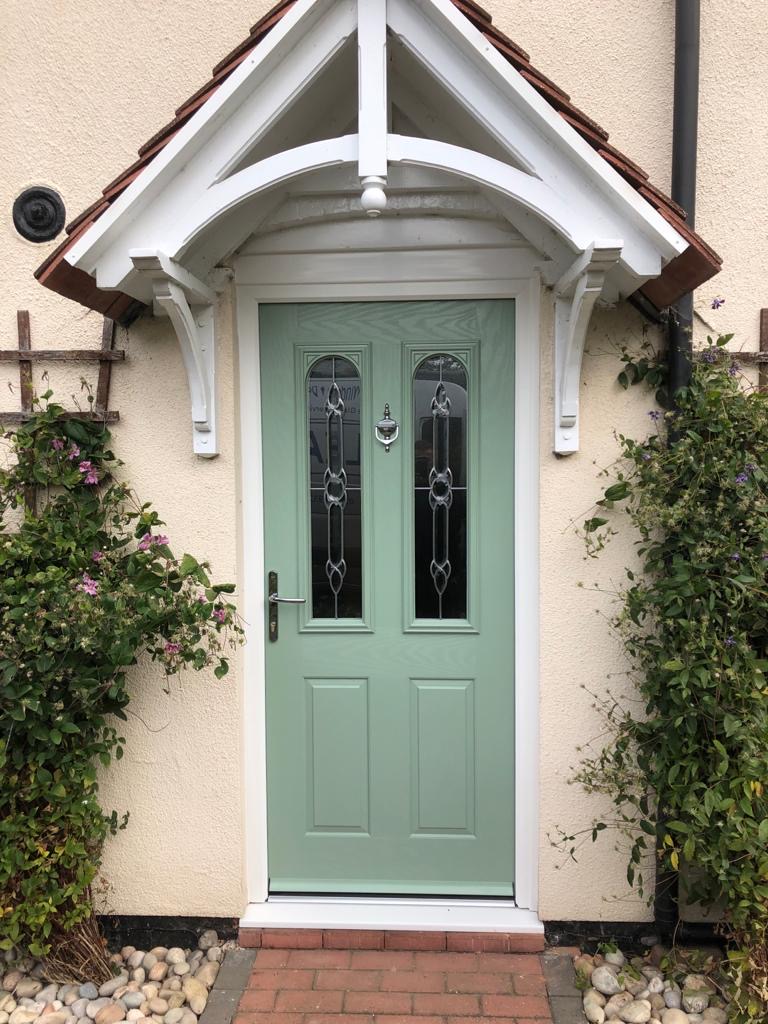
Available in a wide selection of traditional and contemporary styles, colours, glazing options and finishing touches, a composite door can be made to complement almost any property.
Speak to our team to arrange a free, no-obligation quotation.
Secure by Design
Robust construction and high-security locking options help protect your home and provide peace of mind.
Keep the Warmth In
Insulated construction and effective seals help reduce draughts and limit heat loss.
Made to Last
Durable materials provide reliable performance through everyday use and changing weather conditions.
Easy to Maintain
Enjoy an attractive entrance door without regular sanding, painting or varnishing.
Styled Around Your Home
Choose from traditional and contemporary designs, colours, glazing options and finishing touches.
Professionally Installed
Careful fitting helps your new door perform as it should: secure, weather-resistant and easy to use.
What Is a Composite Door?
Unlike a traditional timber or uPVC door, which is primarily made from one material, a composite door is constructed from a combination of materials selected for their different strengths.
The precise construction varies by manufacturer. Many composite doors use a durable outer skin made from glass-reinforced plastic (GRP) or another weather-resistant material, combined with a high-density insulated core and a reinforced internal structure. Other premium composite doors use a solid or engineered timber core with a durable external skin.
This layered construction is designed to provide a strong, insulating and weather-resistant external door with an attractive finish.

Why Choose a Composite Door?
Enhanced Home Security
A strong external door can provide valuable peace of mind. Composite doors are designed with durability and security in mind, with robust construction and options such as multi-point locking systems, reinforced frames and high-security cylinders.
Depending on the product range, selected doorsets may be available with PAS 24:2022 certification or Secured by Design accreditation. PAS 24 is a recognised security-testing standard for doorsets and windows in the UK. Secured by Design is the official police security initiative and applies to products which meet its requirements.
It is important to check the specification of the complete doorset, including the frame, locking system, glazing and hardware, rather than judging security by the door panel alone.
Ask us about our PAS 24-tested and Secured by Design options for additional peace of mind.
Improved Thermal Efficiency
A well-fitted composite door can help reduce draughts and limit heat loss through the entrance to your home.
Composite doors commonly use insulated cores, compression seals and carefully engineered frames to improve thermal performance. Some timber-core composite doors are also designed to use the insulating qualities of the timber within their layered construction.
This can help your hallway feel warmer and more comfortable, particularly when replacing an older, poorly fitting or draughty external door.
A door’s insulation performance is measured using its U-value. The lower the U-value, the less heat passes through the door. The exact figure varies depending on the chosen door style, glazing and manufacturer, so this should be confirmed when preparing your quotation.
Ask us about our selected composite doors U-values rating.
Built for the British Weather
Being in England, you external doors must cope with rain, wind, large temperature changes and not forgetting, regular everyday use. Composite doors are designed to provide strong weather resistance while retaining their appearance over time.
Their durable outer surfaces are typically designed to resist issues commonly associated with older timber doors, such as frequent repainting, moisture-related deterioration and warping. Composite-door manufacturers also commonly highlight resistance to weathering and reduced maintenance requirements as key benefits.
Low Maintenance
Composite doors are a practical option for homeowners who want an attractive entrance without the regular upkeep associated with a traditional painted timber door.
Routine care is generally straightforward: an occasional clean with suitable mild products is normally enough to keep the door, glazing and frame looking presentable. Hinges, locks and moving parts should also be checked and maintained in line with the manufacturer’s guidance.
Enjoy the look of a premium entrance door without the need for regular sanding, painting or varnishing.
Traditional Character or Contemporary Style
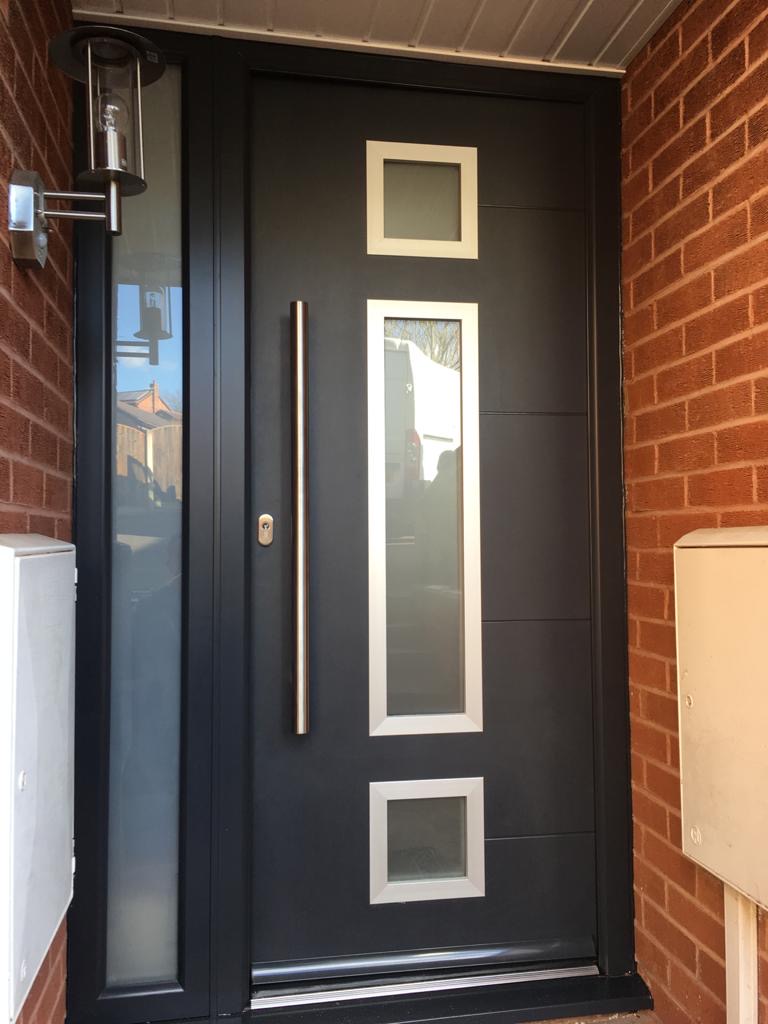
Composite doors are available in a wide range of designs. Whether you prefer a classic entrance with a woodgrain-style finish or a clean, modern appearance with contemporary glazing and hardware, there are options to suit many property styles.
Customers can typically choose from:
Traditional and modern panel designs
A range of colours and wood-effect finishes
Decorative, obscure or clear glazing options
Handles, knockers, letterplates and other accessories
Complementary frames and side panels
Low-threshold options where available
Manufacturers offer substantial customisation across colour, glazing and hardware choices, although the available options will depend on the chosen product range.
A Quieter and More Comfortable Home
A properly installed composite door can also help reduce draughts and external noise around the entrance to your home. The combination of an insulated core, weather seals, frame and glazing specification can improve comfort compared with an older or poorly fitting door.
Are Composite Doors Environmentally Friendly?
Composite doors can offer environmental benefits, but it is better to explain these carefully rather than describe every composite door as automatically “eco-friendly”.
Helping to Reduce Heat Loss
A thermally efficient door can help reduce heat loss from a home. Replacing an older, draughty entrance door with a well-fitted insulated doorset may help reduce unnecessary heating demand.
England’s Approved Document L sets energy-performance standards for new and existing buildings, including replacement doors.
Designed for a Long Service Life
A durable door which remains in use for many years may need replacing less frequently, reducing the materials, transport and waste associated with repeated replacements.
Materials and Recycling
The environmental credentials vary substantially by manufacturer. Some ranges use timber from responsibly managed forests, and certain components or outer skins may be recyclable. For example, Solidor states that its timber core comes from sustainably managed forests and that its ABS skin is recyclable; Endurance describes sustainably sourced timber within its solid-core products.
Use supplier-specific wording where evidence is available:
Selected products in our composite-door range use responsibly sourced materials and recyclable components. Ask our team for details of the environmental credentials of your chosen design.
Professionally Supplied and Fitted
The quality of installation matters just as much as the door itself. A carefully fitted doorset helps provide a secure closing action, reliable locking, effective weather sealing and a neat finish.
Our team can help you choose a composite door that suits your home, preferred style, budget and practical requirements. We will guide you through the available designs, colours, glazing and hardware options before arranging professional installation.
Upgrade Your Entrance
Whether you are replacing a tired front door, improving security or giving your home a fresh new look, a composite door can provide a stylish and practical long-term upgrade.
Contact us today to arrange your free, no-obligation quotation.
Frequently Asked Questions
What is the difference between a composite door and a uPVC door?
A uPVC door is primarily constructed using uPVC profiles and panels. A composite door uses a combination of materials selected to improve strength, insulation, weather resistance and appearance. Composite doors often feel more substantial and are available in a broad range of premium finishes.
Are composite doors secure?
Composite doors are designed with security in mind, but specifications vary. Look for a robust complete doorset, a multi-point locking system and suitable cylinder protection. Selected products may be available with PAS 24 testing or Secured by Design accreditation.
Do composite doors help keep a home warm?
Composite doors typically use insulated cores and effective sealing systems to limit heat loss and draughts. The precise thermal performance depends on the chosen model and glazing specification. Ask us for the confirmed U-value of your preferred design.
Do composite doors need painting?
Most composite doors do not require routine painting or varnishing. Regular cleaning and basic maintenance in line with the manufacturer’s guidance should help keep the door looking its best.
Can I choose the colour and design?
Yes. Composite doors are available in a wide selection of styles, colours, glazing options and hardware finishes. We can help you choose a design that complements your home.
Can composite doors be used as back doors?
Yes. Composite doors can be suitable for front doors, back doors and other external entrances, subject to the chosen product range and measurements.